Project Planning
What to Do Before Clearing Your Property
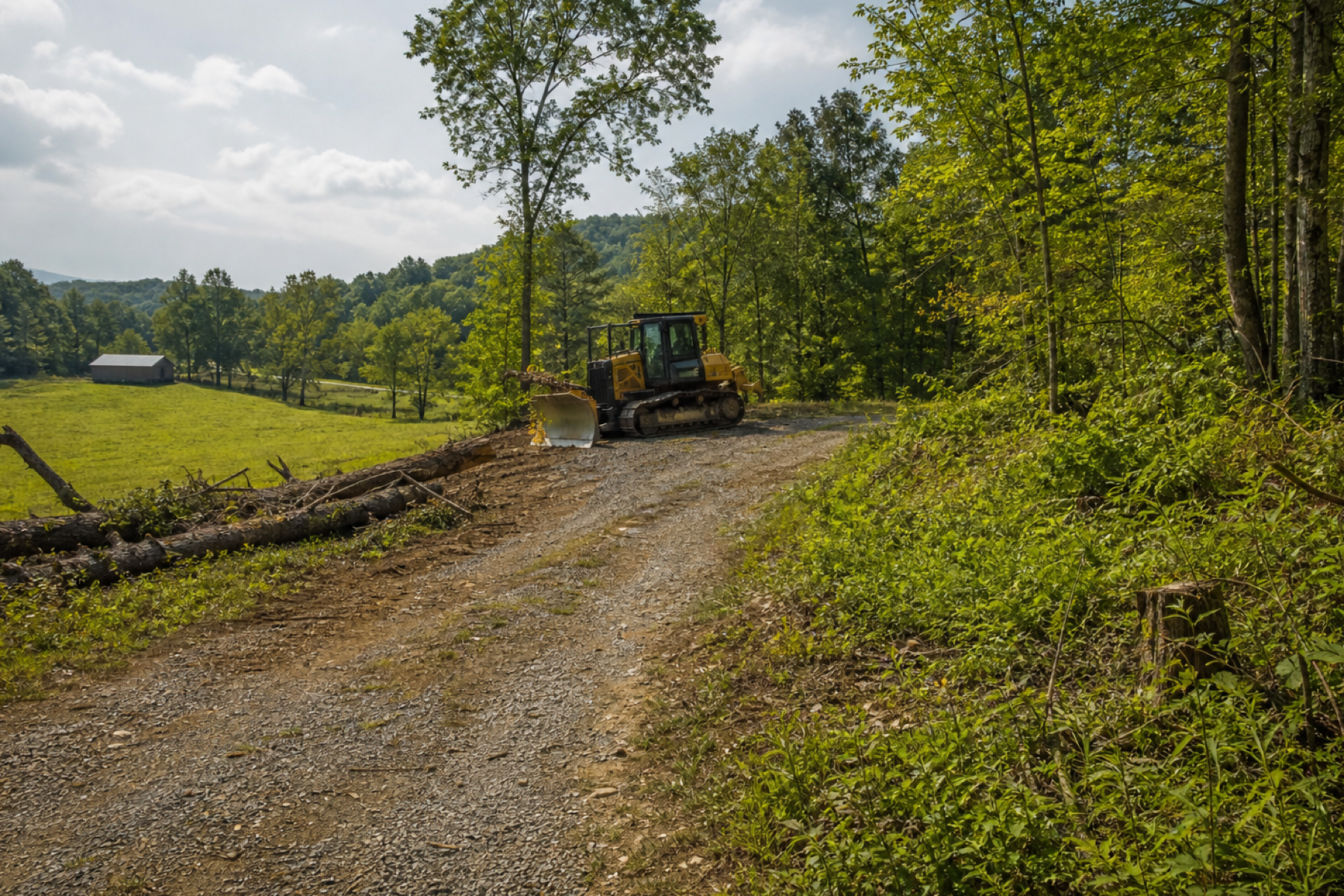
Once a clearing project is scoped and scheduled, there's a short list of things worth doing in the days before the crew arrives. Handling them ahead of time makes clearing day faster, safer, and far less likely to produce a regret — and most take only an afternoon.
This guide is the pre-clearing readiness checklist: the decisions to lock in and the physical prep to do before equipment shows up.
Lock In the Decisions
Clearing day is not the time to still be deciding what to clear. Before the crew arrives, be settled on the work-area boundaries, what stays and what goes, and the finished condition you want. Ambiguity that seems minor in conversation becomes irreversible once a machine is running, so the goal is that nothing important is still 'we'll figure it out on the day.'
Mark Everything That Matters
- The work-area boundaries — where clearing starts and stops.
- Trees and features to keep — flagged clearly so they're obviously off-limits.
- Structures, wells, septic components, fences, and property corners near the work.
- Hazards — old wells, holes, debris, or anything a machine operator should avoid.
Handle Utilities and Access
Two safety-and-logistics items can't wait for clearing day. First, utilities: place your Tennessee 811 request with enough lead time for public lines to be located, and identify any private lines yourself — well, septic, propane, buried lines to outbuildings — since 811 won't mark those. Our guide on underground utilities covers this. Second, access: unlock or open gates, clear the entrance and route, and trim low branches so equipment can actually reach the work, as our gates-and-entrances guide details.
Clear the Deck and Confirm the Plan
Finally, remove anything you want to keep from the work area — equipment, materials, vehicles, anything that could be damaged — and make sure pets and people will be clear on the day. Then confirm the plan with the contractor: the scope, the marked boundaries, access, and timing. A quick walkthrough beforehand catches misunderstandings while they're still easy to fix. With decisions locked, features marked, utilities located, and access open, clearing day becomes the straightforward part. Our guide on how to plan a land-clearing project covers the earlier scoping stage.
Helpful Guides
This guide is general information for property owners and does not replace an on-site evaluation. Upper Cumberland Land Clearing is an independent referral service; project scope, methods, equipment, pricing and scheduling are determined by the contractor who reviews your property.
Project Planning Questions
Lock in what stays and goes and the boundaries, physically mark the work area and any features to keep, place your 811 request and identify private utility lines, open and clear access for equipment, remove valuables from the work area, and confirm the plan with the contractor — ideally with a walkthrough.
With enough lead time for public utilities to be located before any ground-disturbing work — it's not a same-day step. Confirm the required notice and who's placing the request, and separately identify private lines like well, septic, and propane, which 811 doesn't mark.
Yes — anything you want to keep (equipment, materials, vehicles) should be out of the work area before the crew arrives, and pets and people kept clear on the day. Machines work fast, and it's easier to move things beforehand than to work around them.
It's highly recommended, especially for selective clearing. A quick walkthrough of the marked boundaries, keep-trees, access, and any hazards catches misunderstandings while they're still easy to fix — before a machine is running.
Ready to Turn Overgrown Land Into Usable Property?
Share your contact details and you’ll be contacted to discuss where the property is, how much land is involved and what needs to be cleared.