Rural Property Projects
Maintaining Land After Forestry Mulching
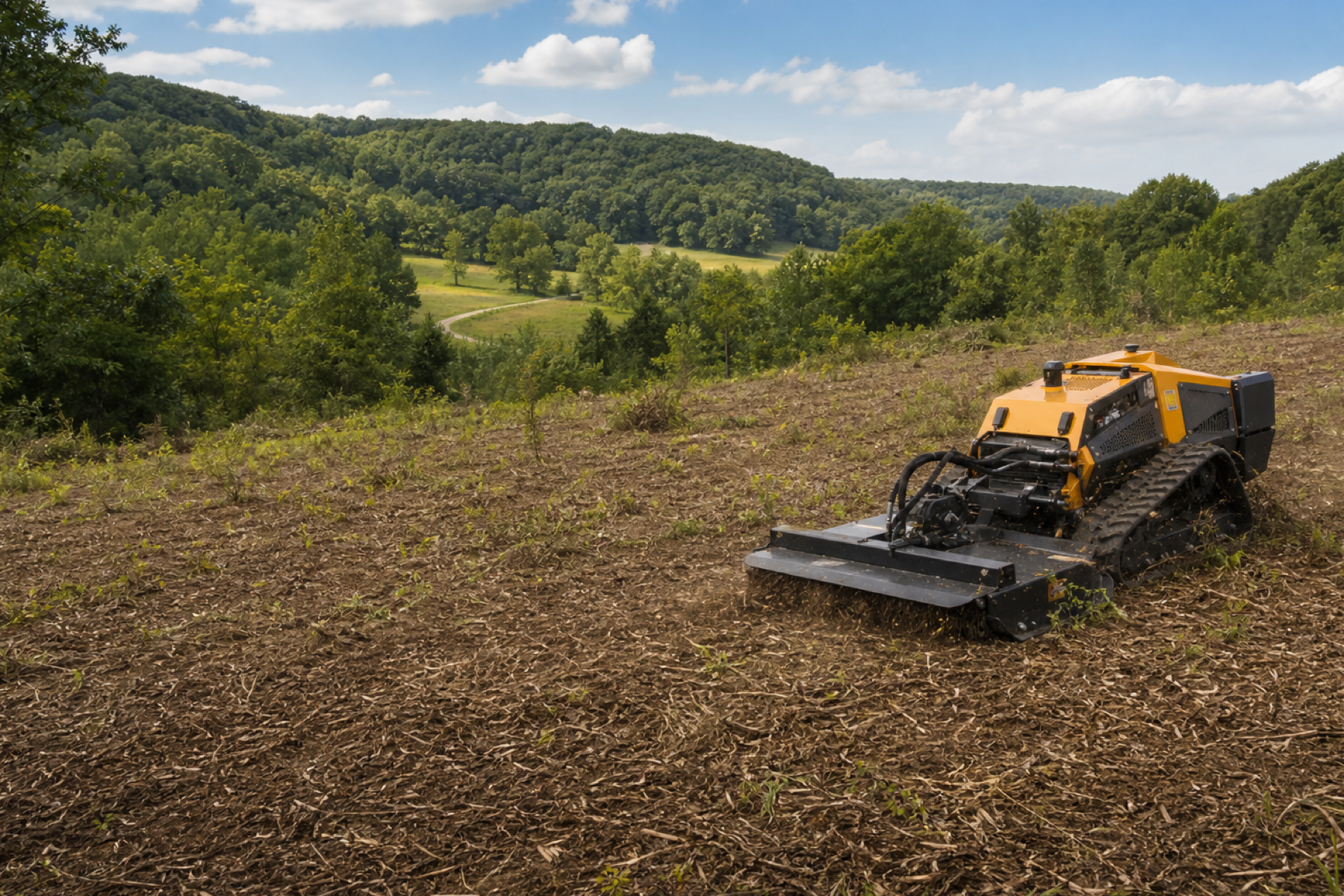
Forestry mulching does a great job of opening up overgrown land — but the single most important thing to understand about it is that clearing once isn't clearing forever. The roots and seed bank are still there, and without follow-up, brush and saplings reclaim the ground. The good news is that maintaining mulched land is far easier and cheaper than the original clearing, if you do it on time.
Why Regrowth Happens
Mulching processes what's above the ground and leaves the root systems intact, and the soil holds a seed bank ready to sprout once there's light and space. So a mulched area naturally begins to regrow — first with fast weeds and sprouts, then brush and saplings if nothing intervenes. This isn't a flaw in mulching; it's simply how land works. Planning for it is the difference between ground that stays open and ground that's a repeat project in a few years.
The Maintenance Options
- Mowing or bush-hogging — periodic passes knock back regrowth on ground you can drive; the most common approach for fields and lanes.
- Grazing — livestock keep pasture regrowth in check naturally, which is why reclaimed pasture put back into grazing stays open.
- Follow-up mulching — an occasional lighter mulching pass maintains areas you can't easily mow.
- Herbicide where appropriate — targeted treatment of persistent woody regrowth, used responsibly.
- Establishing competitive cover — seeding grass so it crowds out returning brush.
Timing Is Everything
The key to easy maintenance is doing it before regrowth gets established. Knocking back young sprouts and small regrowth is quick and cheap; letting it grow into brush and saplings again means you're nearly back to re-clearing. A regular schedule — matched to how fast things grow in your area, which is fast in the Upper Cumberland — keeps the work light. The first year or two after mulching is when the seed bank and roots push hardest, so consistency early pays off.
Match Maintenance to Use
How you maintain mulched ground follows what you're using it for. Pasture goes back into grazing or gets mowed for hay; a lane or trail gets periodic mower passes; a food plot gets seeded and managed; recreational openings get kept up seasonally. Deciding the use and the maintenance plan before you clear is smart, because it shapes whether you seed, how wide you clear, and how you'll access the ground to keep it up. Our guides on reclaiming an overgrown pasture and reclaiming property overgrown with saplings cover the reclaim-then-maintain cycle.
Helpful Guides
This guide is general information for property owners and does not replace an on-site evaluation. Upper Cumberland Land Clearing is an independent referral service; project scope, methods, equipment, pricing and scheduling are determined by the contractor who reviews your property.
Rural Property Projects Questions
Yes — mulching processes the growth but leaves roots and the seed bank, so brush and saplings return without follow-up. It's not a flaw in mulching, just how land works. Maintaining the ground keeps it open, and doing so is far easier than the original clearing.
Knock back regrowth on a regular schedule with mowing or bush-hogging, grazing (for pasture), occasional follow-up mulching for areas you can't mow, targeted herbicide for persistent woody regrowth, or establishing competitive grass. The right method depends on how you use the ground.
Often enough to catch regrowth while it's young sprouts rather than established brush — the exact interval depends on how fast growth returns in your area, which is quick in the Upper Cumberland. The first year or two after mulching is when regrowth pushes hardest, so consistency early matters most.
Yes — deciding the intended use and maintenance plan up front is smart, because it shapes whether you seed, how wide you clear, and how you'll access the ground to keep it up. Ground that's cleared and then maintained stays open; ground that's cleared and forgotten grows back.
Ready to Turn Overgrown Land Into Usable Property?
Share your contact details and you’ll be contacted to discuss where the property is, how much land is involved and what needs to be cleared.